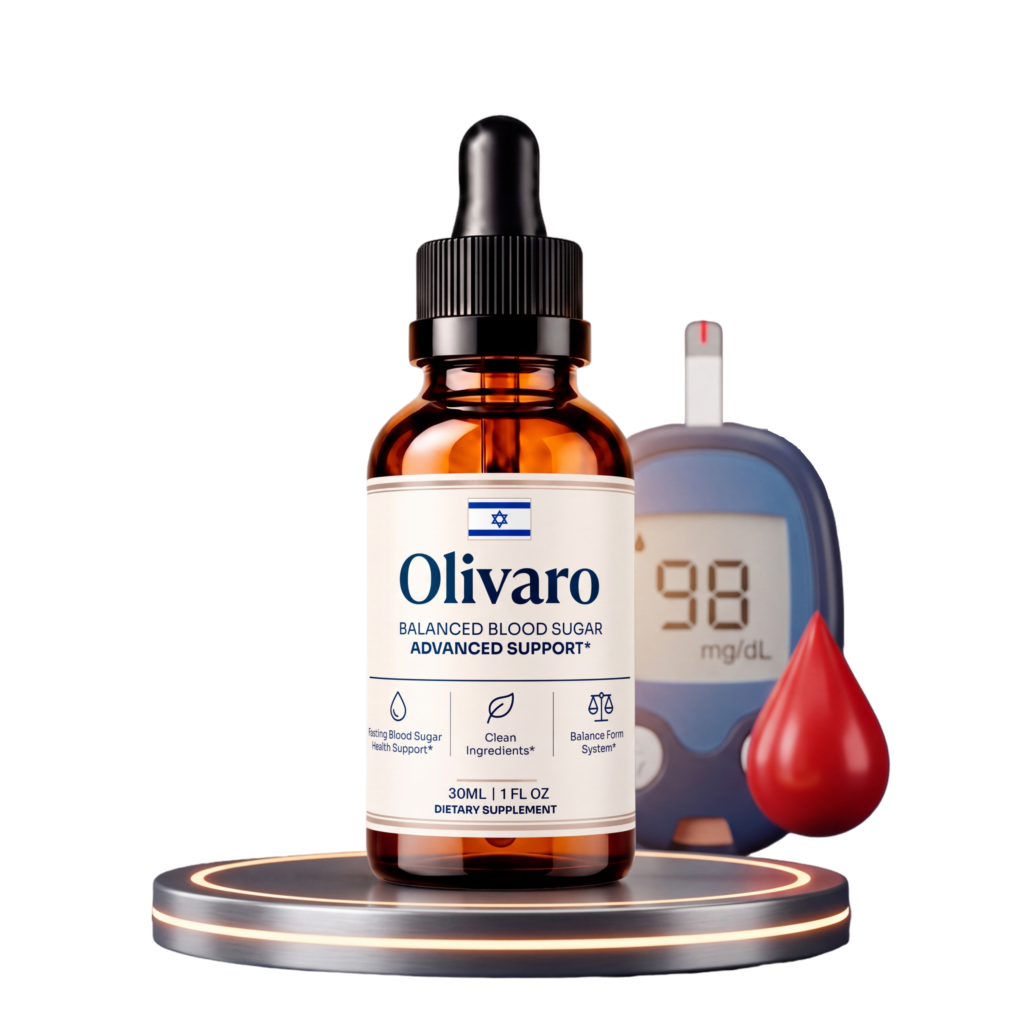
Talk to your doctor or pharmacist before taking any supplement if you have diabetes or take diabetes medication. Never stop or change your medication on your own. Get urgent care right away for emergency symptoms such as confusion, trouble breathing, fainting, repeated vomiting or a seizure.
No published safety study of the finished Olivaro product turned up in our search, so nobody can give you a list of its proven side effects. What we can do is read the label and flag the parts that deserve a pharmacist's attention, especially if you take medicine for diabetes. This guide is organised by what you take, not by ingredient, so you can find your own situation fast.
Call 911 or your local emergency number for fainting, a seizure, confusion, trouble breathing, chest pain, a very fast or uneven heartbeat, yellow skin or eyes, or a severe allergic reaction such as swelling of the face or throat.
Find your situation
| If you take or have | The concern | What to do before using any product like this |
|---|---|---|
| Insulin | Insulin can cause low blood sugar by itself. Adding anything that might also lower glucose could add to that effect. Nobody knows whether this product does. | Ask your prescriber first. Do not change an insulin dose on your own. Ask how often to check your glucose if you do try it. |
| Sulfonylureas or meglitinides (pills that make the pancreas release insulin) | NIDDK says these two types of diabetes pills can cause low blood glucose. | Same as above. A pharmacist can tell you which of your pills are in this group. |
| Metformin and other diabetes medicines | NIDDK names sulfonylureas and meglitinides as the pill types that cause low glucose. Combinations of medicines can change the picture, and a supplement adds unknowns. | Show the full label to your pharmacist. Report any new symptoms promptly. |
| Blood thinners such as warfarin, or a bleeding disorder | NCCIH says Asian ginseng may interfere with blood clotting, and the label includes a ginseng extract. Some supplements raise bleeding risk. | Do not start without asking the clinician who manages your blood thinner. |
| Blood pressure or heart medicines, water pills, or heart rhythm problems | The label has a licorice-derived compound (NCCIH links glycyrrhizin to irregular heartbeat in some cases) and a caffeine source (guarana). | Ask about potassium, blood pressure and heart rhythm. Tell your clinician about palpitations. |
| Statins, some blood pressure and organ-transplant drugs | The FDA says grapefruit and grapefruit juice can change how some medicines work. The label lists a grapefruit extract. | Ask whether your medicines have a grapefruit warning. |
| Liver disease or liver tests that are abnormal | Concentrated green tea extracts have been linked to liver injury in case reports. The label has a green tea extract. | Ask your clinician. Stop and seek care if you have dark urine, belly pain or yellow skin or eyes. |
| Antidepressants, sleep aids or stimulants | The label has several amino acids and a caffeine source. We did not review interactions with these medicines. | Ask a pharmacist to check each ingredient against your list. |
This table is a starting point for a conversation. It is not a list of proven interactions with Olivaro. The point is that the label is long and the amounts are hidden, which makes a precise check impossible for anyone, including you.
Low blood sugar: signs and first steps
Low blood sugar (hypoglycemia) is the main reason people with diabetes are told to be careful with anything that might affect glucose. NIDDK says a reading under 70 mg/dL is low for many people with diabetes, though your own target may differ. Low glucose is common in people who take insulin or some diabetes pills.
Mild to moderate
Shaky or jittery, hungry, tired, dizzy, irritable, a racing or uneven heartbeat, headache, trouble seeing or speaking clearly.
What NIDDK suggests
Check your glucose. If it is below your target or under 70 mg/dL, take 15 to 20 grams of fast carbohydrate such as 4 glucose tablets, wait 15 minutes, then check again and repeat if still low.
Severe
Losing consciousness or a seizure. This is an emergency. Someone nearby should call 911. Do not give food or drink to a person who cannot swallow safely.
Symptoms can also appear during sleep, such as night sweats, nightmares or waking up tired and confused. If you notice a pattern after starting any new product, tell your care team. Source: NIDDK, Low blood glucose (hypoglycemia).
Label ingredients that carry their own cautions
- Green tea leaf extract. A 2018 systematic review found liver effects mainly with concentrated, catechin-rich preparations taken as a large single dose, not with brewed tea. It derived a safe intake of 338 mg of EGCG a day for adults for such preparations. The label does not state how much green tea extract or EGCG is in a serving. Hu et al., 2018.
- Panax ginseng extract. NCCIH says some evidence suggests Asian ginseng might lower blood sugar, it may interfere with blood clotting, may worsen autoimmune disorders, and might interact with medicines. See NCCIH on Asian ginseng.
- Gymnema leaf extract. It has been studied for blood sugar effects, so it is the one most likely to matter if you take diabetes medicine. We did not find a clear government safety summary for it. Ask a pharmacist, and do not assume "natural" means mild.
- Guarana (caffeine). The FDA cites 400 mg a day as an amount not generally associated with negative effects in most adults, with wide differences in sensitivity. Caffeine from this product adds to coffee, tea and energy drinks. FDA on caffeine.
- Monoammonium glycyrrhizinate. Licorice-derived. NCCIH says glycyrrhizin can cause serious effects such as irregular heartbeat, mainly in large amounts or long use. NCCIH on licorice root.
- African mango, chromium. Headache and sleep difficulty were reported in African mango trials. NCCIH lists stomach pain and bloating for chromium and a few reports of kidney, liver, muscle and skin problems after large doses.
- Xylitol. A sweetener that can cause loose stools or gas in some people when taken in larger amounts.
Pregnancy, children, surgery and other groups
- Pregnant or nursing. The Olivaro label itself says to consult a physician first. NCCIH notes that many supplements have not been tested in pregnant women, nursing mothers or children.
- Under 18. The label says children under 18 should consult a physician before use.
- Upcoming surgery. NCCIH advises telling your providers about every supplement well in advance, because some can raise bleeding risk or change the response to anesthesia.
- Allergies. "Natural flavors" and plant extracts can contain allergens. Ask the seller to list all components.
- Kidney disease. Several supplements have kidney warnings of their own, and chromium has had a few reports. Ask your nephrologist.
Source: NCCIH, Using dietary supplements wisely.
What nobody can promise about a supplement
Dietary supplements are not approved by the FDA before they are sold. NCCIH points out that what is on a label may not be what is in the bottle: the FDA has found prescription drugs, including blood thinners and anticonvulsants, in products sold as supplements, especially those promoted for weight loss. We have no evidence that this has happened with Olivaro. We also have no independent test result showing that it has not, because none is published on the seller's pages. That is one more reason to tell your clinician and to stop the product if anything feels wrong.
What to say to your pharmacist or doctor
- "I am thinking of taking a liquid supplement. Here is a photo of the full label, including the 22-ingredient blend."
- "Here is my list of prescription and over-the-counter medicines, with doses."
- "Does anything on this label affect blood sugar, blood pressure, heart rhythm, clotting or my liver tests?"
- "Should I check my glucose more often if I try it? What number should make me call you?"
- "Is there any reason I should wait, for example surgery or pregnancy?"
- Ask for the answer in writing in your medical record, and keep a log of the start date, the dose and any new symptoms.
How to report a problem to the FDA
- Get care first. If the problem is serious, call 911 or seek urgent care. Reporting is never a substitute for treatment.
- Save the product. Keep the bottle, the lot number, your order email and photos of the label.
- Write down the facts. Date you started, amount taken, symptoms, dates, any medicines and test results.
- File the report. The FDA says a consumer who wants to voluntarily report a dietary supplement problem or an adverse event should use its Safety Reporting Portal, linked from the FDA's page on how to report a non-emergency. The better known MedWatch program covers medicines and devices.
- Also tell the seller and your clinician, and consider a report to the Federal Trade Commission if you think the marketing was deceptive.
For the full price and refund picture if you decide to stop, see the price and guarantee guide.
Sources
- NIDDK, Low blood glucose (hypoglycemia).
- NCCIH, Using dietary supplements wisely.
- NCCIH, Asian ginseng; Licorice root; Diabetes and dietary supplements.
- Hu J, et al. The safety of green tea and green tea extract consumption in adults. Regul Toxicol Pharmacol. 2018.
- Onakpoya I, et al. Irvingia gabonensis in overweight and obesity: systematic review. J Diet Suppl. 2013.
- FDA, Grapefruit juice and some drugs don't mix; Spilling the beans: how much caffeine is too much?
- FDA, How to report a non-emergency.
- FTC, ReportFraud.ftc.gov.
Frequently asked questions
What are the side effects of Olivaro?
We found no verified safety data for the finished product. The label lists many ingredients that carry cautions on their own, including green tea extract, guarana (a caffeine source), a licorice-derived compound and grapefruit extract. Ask a pharmacist to review the full label against your medicines.
Can I take Olivaro with metformin or insulin?
Do not combine it with diabetes medicine without asking your prescriber. Some ingredients have been studied for blood sugar effects, and the combination could in theory push readings too low. Your care team needs to know about every supplement you take.
Is Olivaro safe during pregnancy or breastfeeding?
The label itself says pregnant or nursing mothers, children under 18 and people with a known medical condition should consult a physician before use.
Should I stop Olivaro before surgery?
Tell your surgeon and anesthesiologist about every supplement well ahead of time. NIH advises that some supplements can affect bleeding or the response to anesthesia.
How do I report a bad reaction?
Seek care first. Then you can report a dietary supplement problem to the FDA through its Safety Reporting Portal, which the FDA links from its page on reporting non-emergencies.