Talk to your doctor or pharmacist before taking any supplement if you have diabetes or take diabetes medication. Never stop or change your medication on your own. Get urgent care right away for emergency symptoms such as confusion, trouble breathing, fainting, repeated vomiting or a seizure.
Search for "supplements for blood sugar" and you will find confident promises. Search the medical literature and you will find something more modest: some small trials of single ingredients with mixed results, reviews that call the evidence weak, and repeated warnings from U.S. agencies that supplements must never replace treatment. This guide walks through what the main sources actually say, ingredient by ingredient, and teaches you how to read a supplement study yourself.
What U.S. health agencies say
- NIH (NCCIH). Many studies have looked at supplements for type 2 diabetes, yet for most of them there is no evidence of a beneficial effect on diabetes or its complications. For a few, such as chromium, cinnamon and berberine, there is weak evidence of possible benefit, but studies are limited by size and differences in products and doses. NCCIH adds that it has no reliable evidence that any herbal supplement can help control diabetes or its complications. It also says some supplements can have serious side effects, such as kidney damage. Read the NCCIH fact sheet.
- FDA and FTC. NCCIH notes the FDA is warning about products that seem too good to be true, such as those claiming to be a "natural diabetes cure" or to "replace your diabetes medicine". These products are marketed illegally, and all are harmful if used in place of treatment. In April 2023 the FTC and FDA sent warning letters to 10 companies over diabetes-treatment claims, including wording such as "helps balance blood sugar levels for people with diabetes". FTC consumer alert.
- American Diabetes Association. In its 2018 alert about a diabetes pill, the FTC cited the ADA as finding no clear proof that any dietary supplement treats diabetes or high blood sugar, and warned that relying on one can delay proven treatment. FTC alert, December 2018.
The evidence ladder
Not all evidence is equal. From weakest to strongest:
- Testimonials and ads. Stories are selected. They cannot show cause and effect.
- Lab and animal studies. Useful for ideas. A result in cells or mice often fails in people.
- Small human trials. A few dozen people for a few weeks. Results swing easily by chance, and many are never repeated.
- Randomized, placebo-controlled trials. People are assigned by chance to the supplement or a look-alike, which is the fair comparison. Larger and longer is better.
- Systematic reviews and meta-analyses. They pool the trials. They are only as good as the trials inside them.
- Trials with real outcomes. Heart attack, kidney failure, hospital stays. Almost no supplement has this level of evidence for diabetes.
What reviews found, ingredient by ingredient
These are single ingredients that appear in many "blood sugar" products. A finding for an ingredient says nothing about any particular bottle, which may contain less, more or a different form.
| Ingredient | What the best summary we found says | Reading it |
|---|---|---|
| Chromium | A 2014 review of 25 randomized trials in people with diabetes reported lower HbA1c (about 0.55 points) and fasting glucose, with benefit possibly needing more than 200 mcg a day. NCCIH cites a 2022 review of 16 studies (868 participants) with similar direction. | Small average changes, mixed products, short trials. Long-term effects are not well investigated. |
| Cinnamon | A 2019 review of 16 studies (1,098 participants) found lower fasting glucose in people with prediabetes and type 2 diabetes, but the studies differed in dose and length. | NCCIH says more research with standard formulations is needed. |
| Panax or American ginseng | A 2014 meta-analysis of 16 trials found fasting glucose about 0.31 mmol/L lower, with no significant effect on some other markers. NCCIH calls the overall picture inconclusive and conflicting. | Possible small effect on one marker, not on others. |
| Green tea extract | A 2017 meta-analysis of 6 small trials found no difference from placebo in HbA1c, insulin resistance, fasting insulin or fasting glucose. | No evidence of benefit in this review. Safety caution for concentrated extracts. |
| Gymnema | A 2003 review of 108 trials of 36 herbs and 9 vitamin or mineral supplements counted gymnema among those with positive preliminary results, but concluded the evidence was insufficient for firm conclusions. | Old, early evidence. Not enough for a conclusion. |
| African mango | A 2013 review of 3 trials, mainly on weight, called the results unproven because of poor reporting. | Not a blood sugar study. |
| Maca | A 2015 crossover trial of 29 postmenopausal women found no difference in glucose versus placebo. | One small trial, no effect on glucose. |
Reviews: chromium, ginseng, green tea, herbs and supplements (2003), African mango, maca. The 2003 review also concluded these products appeared generally safe with few adverse effects reported, which is not the same as proven safe in combination with your medicines.
How to read a supplement study: 10 questions
- Who were the people? People with diabetes, prediabetes or healthy volunteers? A result in one group may not apply to another.
- How many? The smaller the trial, the easier it is for chance to look like an effect.
- How long? Blood sugar is tracked over months through HbA1c. A 4-week trial tells you little.
- Was there a placebo? Without one, the result might be simply the effect of being in a study.
- Was it randomized and blinded? If people knew what they took, expectations affect results.
- What was measured? A lab number such as fasting glucose is not the same as fewer complications.
- What dose and form? Does it match the product on the shelf, in the same form and amount?
- What were participants taking otherwise? Diet change and medicines can explain results.
- Who paid, and who is the author? Check whether the maker funded it or sells the product.
- Was it repeated? One positive trial is a lead, not a conclusion.
NCCIH offers a plain-language guide to research terms in its "Know the Science" series; start from the NCCIH Know the Science page.
Five marketing traps
1. The ingredient halo
"Contains X, which studies show..." A trial result on a full dose does not carry over to a trace amount in a blend.
2. The surrogate number
"Supports healthy glucose" is about a lab number, not about preventing disease or complications.
3. The proprietary blend
Many ingredients share one weight, so you cannot tell if any reaches a studied dose.
4. The testimonial
People who feel better are quoted. Those who did not are not.
5. The "natural" label
Plant-derived does not mean safe with your medicines. Some plant compounds are active drugs in practice.
Context: what lifestyle trials achieved
For comparison, the Diabetes Prevention Program, a randomized trial of 3,234 adults at high risk, found a lifestyle program with the goals of at least 7 percent weight loss and 150 minutes of activity a week lowered the rate of new diabetes by 58 percent, against 31 percent for metformin, over an average of 2.8 years. This is a different level of evidence from the supplement studies above. It is the reason NIDDK and the CDC point people at lifestyle programs first. See the published trial and our lifestyle checklist.
If you are thinking of trying one
- Get a real number. If you have not been tested, start with an A1C or fasting glucose test. See the symptoms and tests guide.
- Tell your care team. Bring the label. Do not stop or change any medicine on your own.
- Check the dose. Compare each ingredient's amount on the label with the studied dose. If the label hides amounts in a blend, you cannot do this.
- Set a time limit and a measure. Agree with your clinician what you will measure and when you will stop.
- Watch for harm. Low blood sugar signs, rash, stomach upset, palpitations or yellow skin all mean stop and call.
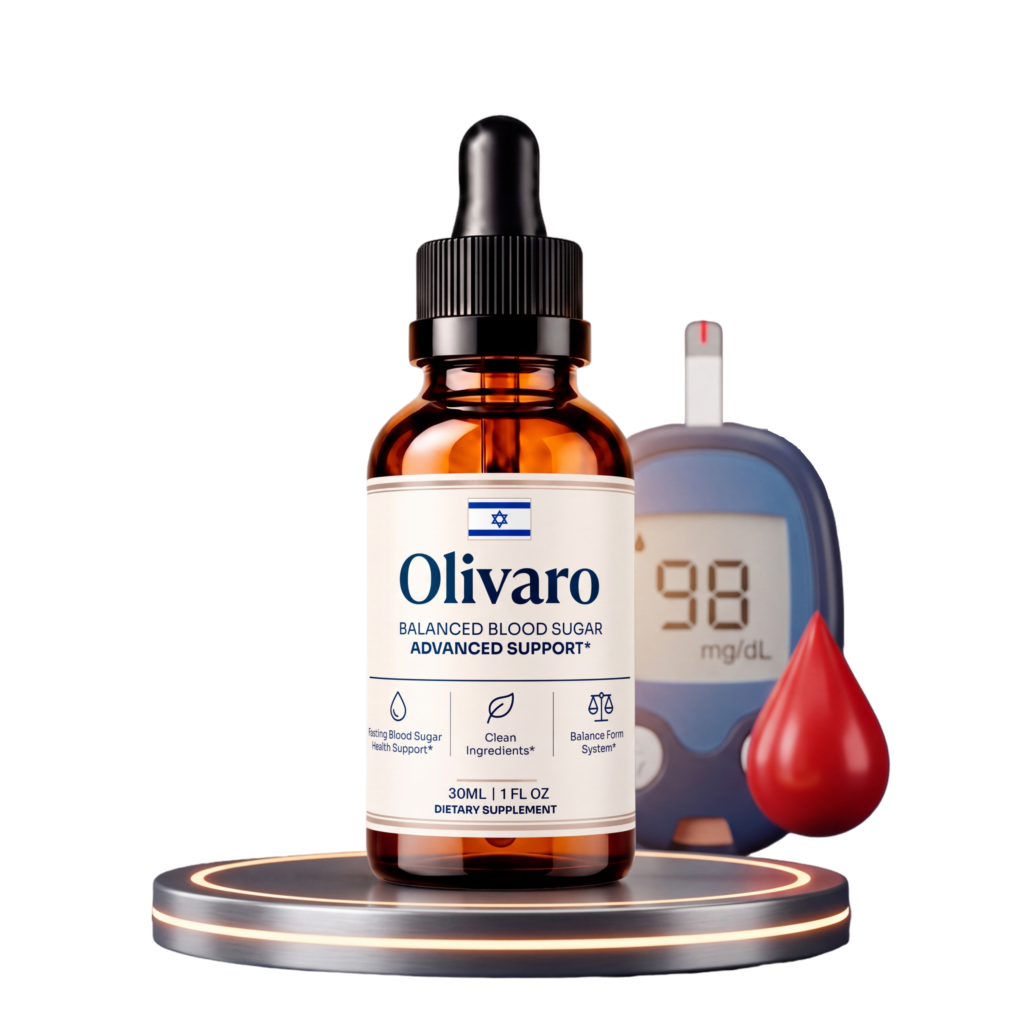
If you want to see how one specific product measures up, read how we checked Olivaro and what its label shows in the ingredients guide.
Sources
- NCCIH, Diabetes and dietary supplements: what you need to know.
- FTC, FTC warns diabetes treatment sellers (April 2023).
- FTC, FTC: No support for diabetes treatment claims (December 2018).
- Suksomboon N, et al. Chromium supplementation in diabetes. J Clin Pharm Ther. 2014.
- Shishtar E, et al. Ginseng and glycemic control. PLoS One. 2014.
- Yu J, et al. Green tea and glycemic control in type 2 diabetes. Diabetes Metab J. 2017.
- Yeh GY, et al. Herbs and dietary supplements for glycemic control in diabetes. Diabetes Care. 2003.
- Onakpoya I, et al. Irvingia gabonensis in overweight and obesity. J Diet Suppl. 2013.
- Stojanovska L, et al. Maca in postmenopausal women. Climacteric. 2015.
- Diabetes Prevention Program Research Group. Reduction in the incidence of type 2 diabetes with lifestyle intervention or metformin. N Engl J Med. 2002.
- NCCIH, Know the Science.
Frequently asked questions
Do supplements lower blood sugar?
For a few ingredients such as chromium, there is weak evidence of a possible effect on blood sugar markers in some trials. NIH says most studies have limitations and that for most supplements there is no evidence of a beneficial effect on diabetes.
Can supplements lower A1C?
Small changes in A1C were reported in some reviews of single ingredients in people with type 2 diabetes. The studies differ in dose, length and quality, so they do not support replacing medicine or lifestyle care. Ask your clinician before trying one.
Is there a natural supplement that replaces diabetes medicine?
No. The FDA and FTC have warned about products that claim to cure diabetes or replace medicine, and the ADA has said there is no clear proof that any supplement treats diabetes.
What does the ADA say about supplements?
The FTC cites the American Diabetes Association as finding no clear proof that dietary supplements treat diabetes or high blood sugar, and warns that relying on them can delay proven treatment.
How do I know if a supplement study is reliable?
Check the size, the length, whether it compared with a placebo, which outcome was measured, who paid for it, and whether the dose matches the product you plan to buy.